Where Ruby Is Found
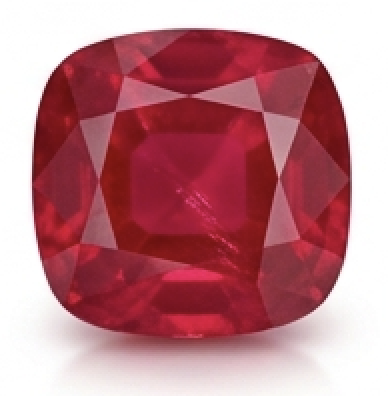
Ruby is a variety of the mineral corundum, coloured deep red by traces of chromium. The finest, most historically prized rubies come from the Mogok Valley in Myanmar (Burma), long considered the benchmark for "pigeon blood" red. Other major sources include Mozambique (now the world's largest producer, discovered in 2009), Thailand, Cambodia (Pailin), Sri Lanka, India, Afghanistan, Tajikistan, Vietnam, Tanzania, Madagascar, and a rare ~3-billion-year-old deposit in Greenland.
Use
Ruby is the gemstone of Surya, the Sun — the king of the Navagraha in Vedic astrology. The Sun governs soul, self-confidence, authority, father, government, career status, and vitality. Wearing ruby is believed to strengthen a weak or afflicted Sun, or to amplify the benefits of a well-placed one.
When to Wear — Kundali & Dasha Guidance
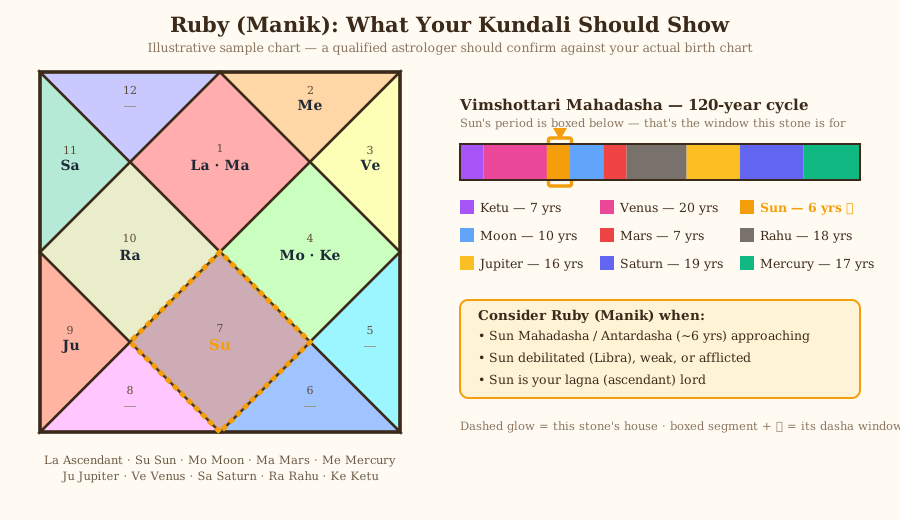
Generally recommended when the Sun's Mahadasha or Antardasha (roughly 6 years within the 120-year Vimshottari Dasha cycle) is approaching or underway, when the Sun is debilitated (Libra), weak, or afflicted, or when the Sun is the lagna lord.
Day: Sunday, Shukla Paksha · Time: early morning, around sunrise · Metal: gold or copper · Finger: ring finger, right hand · Weight: typically 3–6 carats, astrologer-recommended · Mantra: "Om Suryaya Namah"
General guidance only — a qualified astrologer should confirm suitability against the individual's actual birth chart.
Benefits of Wearing Ruby
Strengthens self-confidence, leadership qualities, and decision-making. Believed to improve relationships with authority figures and one's father. Associated with career growth, recognition, and government/administrative success. Traditionally linked to vitality and circulation. Said to bring mental clarity and reduce self-doubt.